In this guide 8 sections
- When the dhams open: the 2026 dates and the 2027 season
- The classic road journey, day by day
- What a real package includes
- Private, group or customised
- How to read a package before you pay
- Choosing where to start: Haridwar, Rishikesh or Dehradun
- Yamunotri and Gangotri, the gentler western pair
- Common questions
A complete Char Dham Yatra package covers Yamunotri, Gangotri, Kedarnath and Badrinath in ten to twelve days by road from Haridwar or Rishikesh, with hotels, a private vehicle with all fuel and taxes, meals, transfers and help with the mandatory yatra registration. Pony and palki charges and 5 percent GST are usually extra. The best months are May to June and September to October.
A Char Dham package is meant to take one of the harder journeys in Indian travel and hand you only the parts that matter, the darshan, the mountains and the meaning, while someone else handles the permits, the driver, the hotels and the thousand small decisions that a Himalayan pilgrimage throws at you. That is what you are paying for. Not just a car and a room, but the removal of logistics from a trip where logistics can quietly ruin everything.
The full circuit visits Yamunotri, Gangotri, Kedarnath and Badrinath, in that order, because that is the sequence the geography and tradition both follow. Here is what a genuine package covers, how the classic road journey unfolds, and what to check before you hand over a deposit.
When the dhams open: the 2026 dates and the 2027 season
The yatra is seasonal. The temples close for winter under snow and reopen in spring on dates the temple committees announce each year. In 2026 the portals opened in the third week of April: Yamunotri and Gangotri first, around 19 April on Akshaya Tritiya, then Kedarnath on 22 April and Badrinath on 23 April. They stay open until winter arrives, closing across the first half of November around Diwali and Bhai Dooj. The 2027 season follows the same rhythm. The Badrinath opening date is traditionally announced on Basant Panchami and the Kedarnath date on Maha Shivratri, so by early spring you will know exactly when the doors open.
The season splits into two good windows and one to avoid. Late April to mid June is peak, clear and busy. July and August bring the monsoon, and with it the landslides and road closures that Uttarakhand is known for, so we steer families away from those weeks. Then September and October return, quieter and cool, with some of the clearest mountain views of the year. If you have a choice, the second half of the season is the connoisseur's pick.
The classic road journey, day by day
The traditional yatra runs ten to twelve days and starts from Haridwar or Rishikesh. The shape of it rarely changes, because the roads dictate it. You drive to Barkot and take on Yamunotri, then cross to Uttarkashi for Gangotri, then descend and climb again to Guptkashi and Sonprayag for Kedarnath, and finally push north to Badrinath before the long road back.
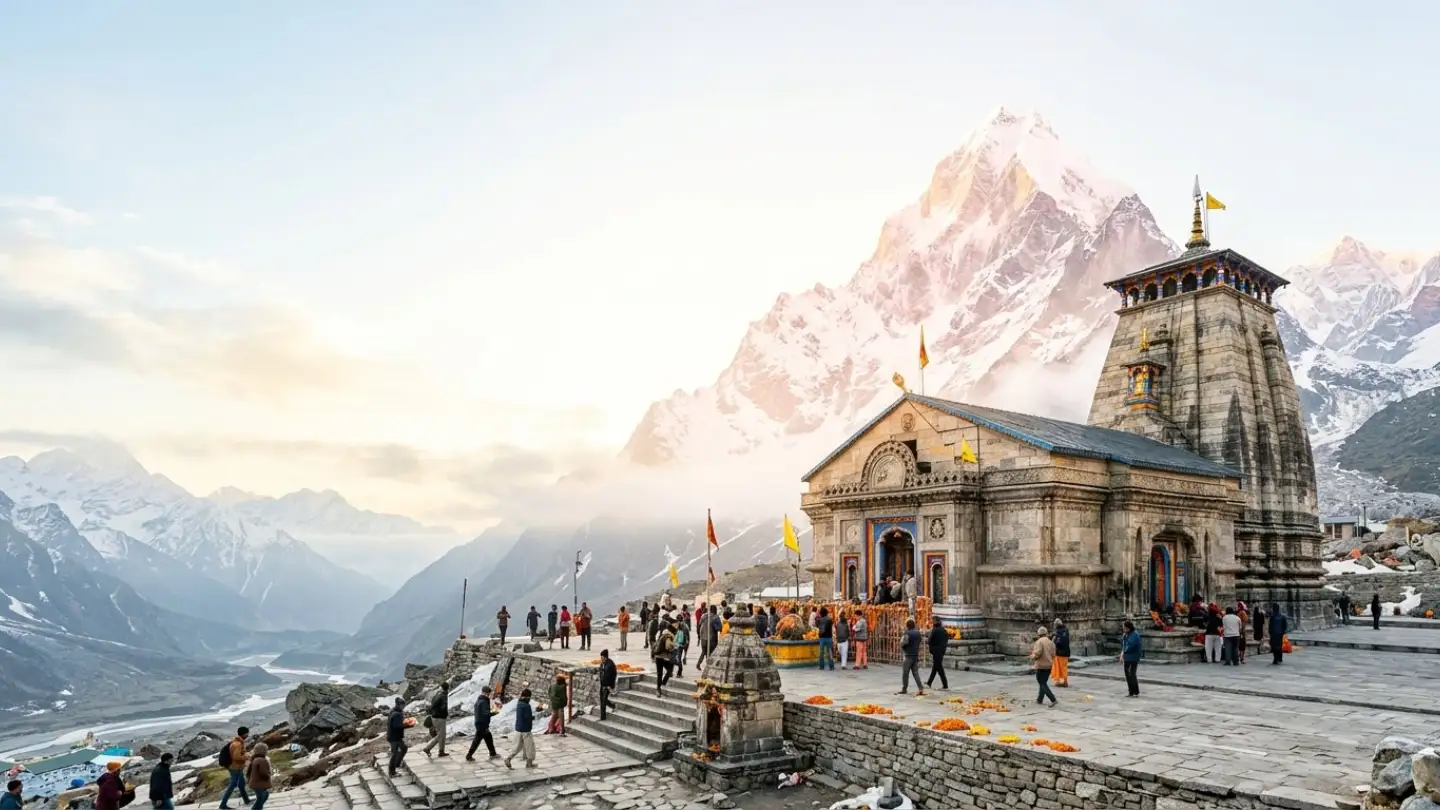
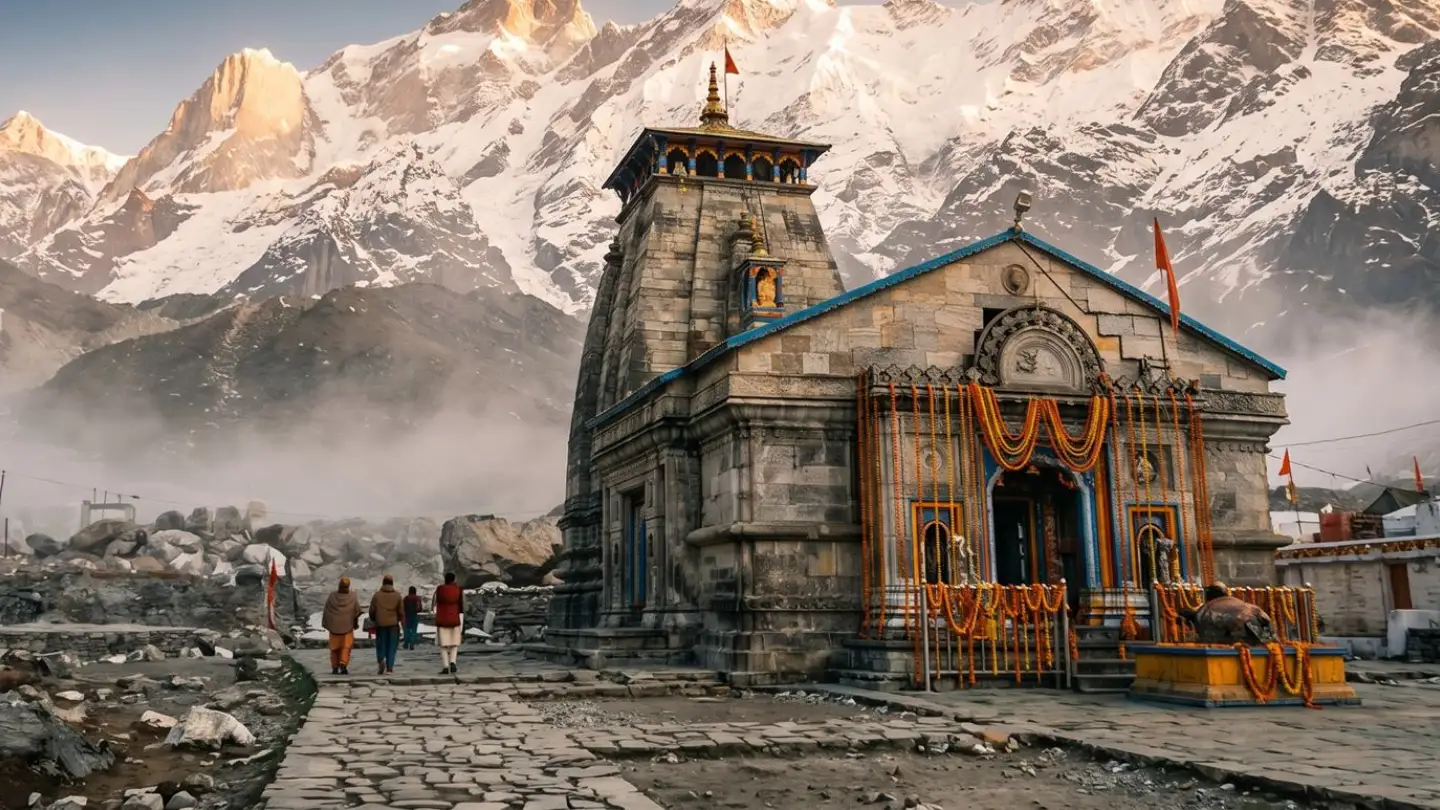
Two of those stops are not drive up temples. Yamunotri asks for a six kilometre trek from Janki Chatti, on foot, by pony or by palki. Kedarnath is the big one, sixteen kilometres uphill from Sonprayag and Gaurikund to a shrine at 3,583 metres, a climb that takes the fit half a day and everyone else considerably longer. Ponies, palkis and porters are available, and for those who want none of it, this is exactly where a helicopter add on earns its cost. The rest of the yatra, Gangotri and Badrinath, you reach almost to the door by vehicle.
What a real package includes
Read the inclusions before the price, because that is where packages quietly differ. A complete Char Dham package should carry the following, and if any of it is missing, ask why.
- Accommodation for every night on the circuit, on the meal plan stated, with the hotel category named rather than left vague.
- A private, well kept vehicle sized to your group, with fuel, driver, tolls, state taxes and parking all included so nothing is collected again on the road.
- Daily breakfast at minimum, and usually breakfast and dinner, since lunch on a moving yatra is eaten wherever you happen to be.
- All pick up and drop from your arrival point, whether that is Haridwar, Rishikesh, Dehradun or the nearest railhead.
- Assistance with the mandatory yatra registration and the QR based e pass every pilgrim now needs.
- A reachable point of contact on the ground for the whole trip, which matters more than anything on a route where mobile signal comes and goes.
Equally, know what sits outside a standard package so the final bill holds no surprises. Pony, palki and porter charges at Yamunotri and Kedarnath are usually extra and are paid locally. So are helicopter tickets if you add them, entry to any activity, personal expenses, and the five percent GST that applies to tour packages. A package that hides these to look cheaper is not cheaper. It is just quieter about the truth.
Private, group or customised
Most families take a private package, their own vehicle and their own pace, which on a yatra with elderly members and fixed prayer timings is worth the premium. Shared group departures cost less per head and suit solo pilgrims and couples who do not mind a set schedule and a busfull of company. And a good operator will bend either into a custom shape, adding a night at Badrinath, a detour to Auli, a helicopter leg for Kedarnath alone. The right structure depends on who is travelling and how much time and money you have, which is a decision worth talking through rather than picking off a webpage.
How to read a package before you pay
The gap between a smooth yatra and a miserable one is almost always in the details you did not check. Confirm the exact hotels, not the star rating, because a three star in Guptkashi is a very different thing from a three star in Rishikesh. Confirm the vehicle model against the group size, since a squeezed tempo traveller on eleven days of mountain road is its own punishment. Confirm what happens to your money if a landslide shuts a road, which in Uttarakhand is a real and recurring event. And confirm who exactly you call at nine at night when a plan changes, because on this route it will.
Choosing where to start: Haridwar, Rishikesh or Dehradun
Most road packages begin at Haridwar or Rishikesh, the twin gateways on the Ganga, and the choice between them is small but real. Haridwar holds the railway connections and the great evening aarti at Har Ki Pauri, and many packages gather here. Rishikesh sits a little higher and quieter, a few kilometres nearer the hills, and suits those who want a calmer start. Dehradun matters chiefly if you are flying in or adding a helicopter leg, since its airport and the Sahastradhara helipad are here. None of the three is wrong. Pick by how you are arriving and whether you want a night of the Ganga aarti before the climb begins.
Yamunotri and Gangotri, the gentler western pair
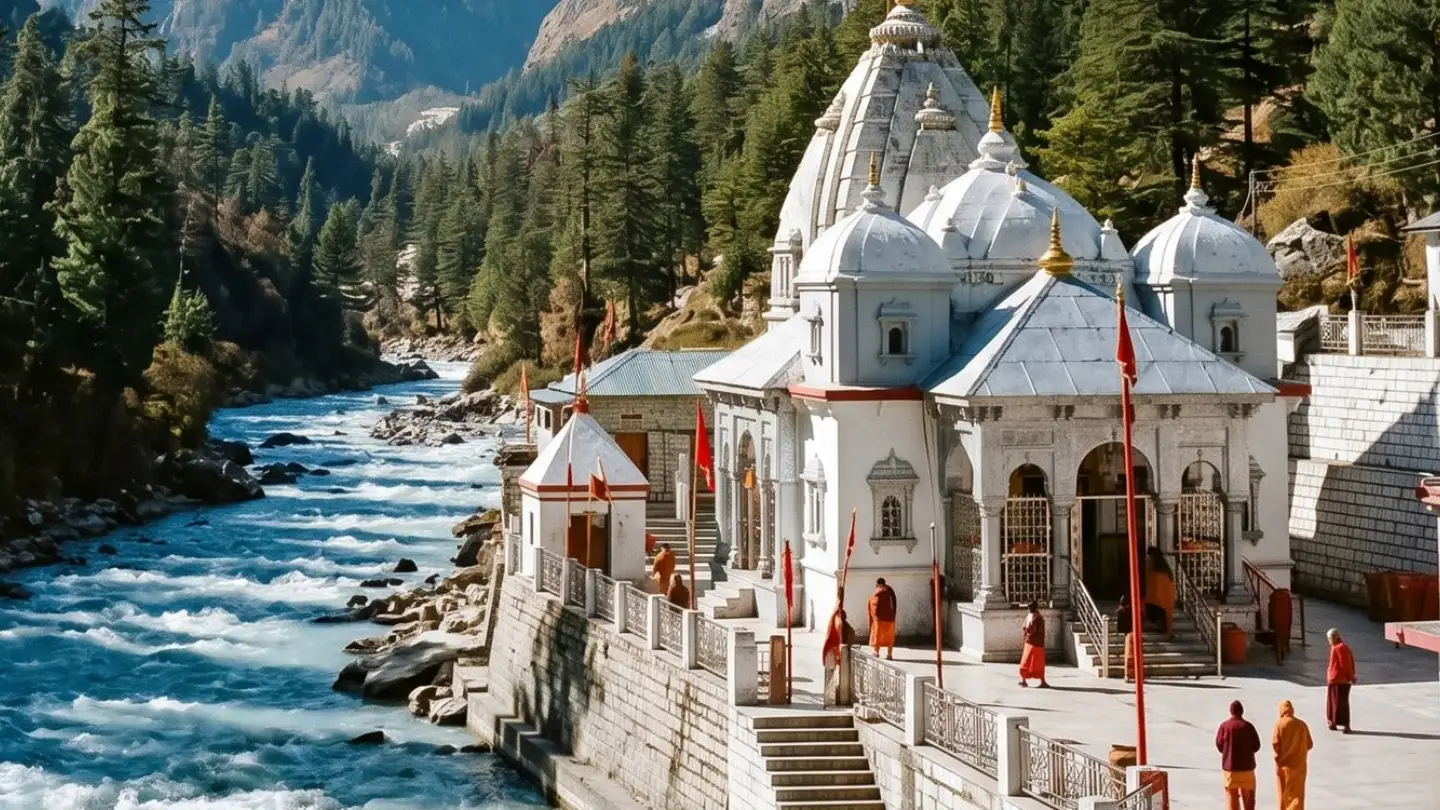
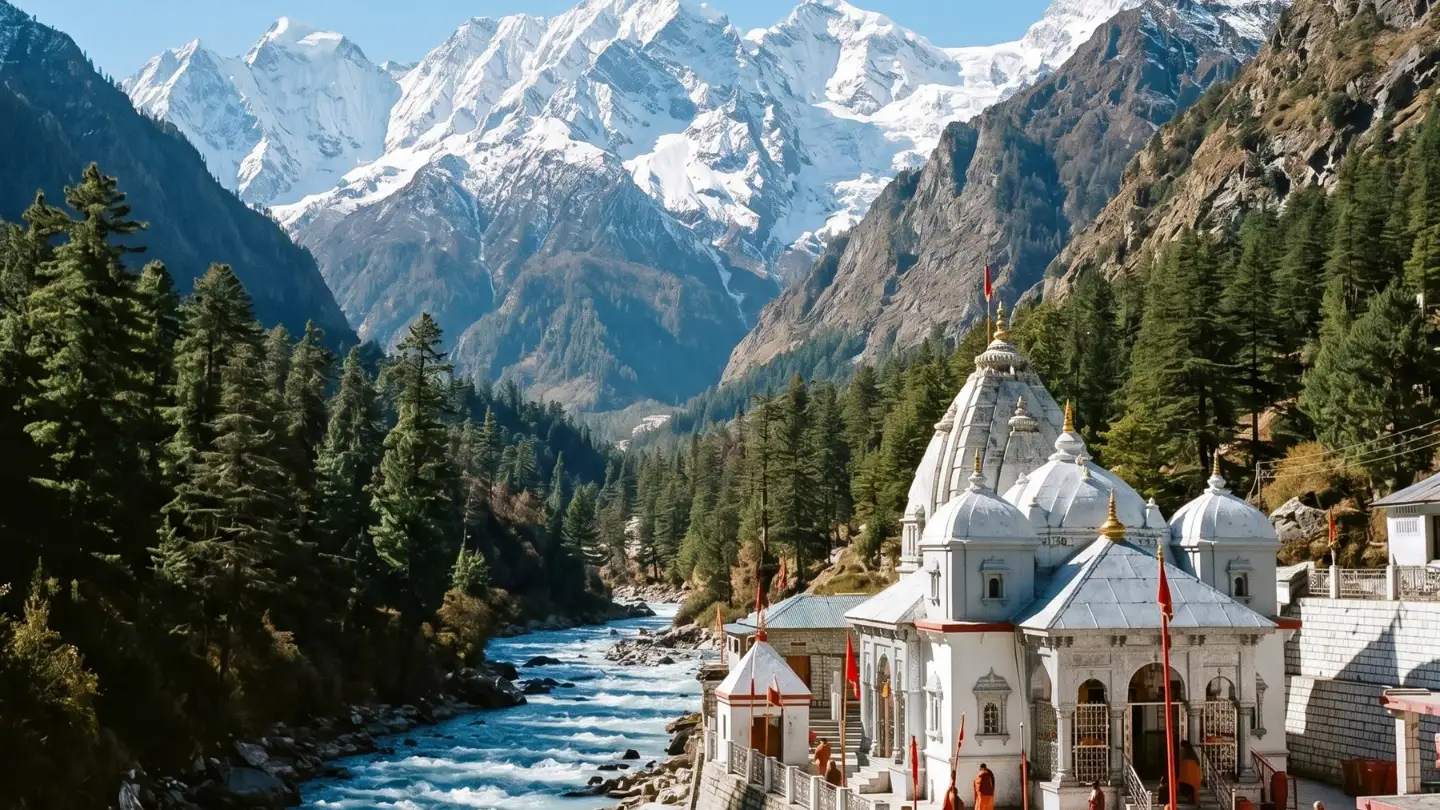
Attention on the Char Dham tends to fixate on Kedarnath, and the western two shrines get less than their due. They deserve better. Yamunotri, the source seat of the Yamuna, sits above Janki Chatti after a six kilometre trek, and near it at Kharsali stands one of the oldest Shiva temples in the region. At Yamunotri the boiling spring of Surya Kund is where pilgrims traditionally cook rice as an offering, a small ritual worth doing. Gangotri, the origin shrine of the Ganga, is reached almost to the temple by road and sits in a wide, luminous high valley that many travellers quietly rate the most beautiful stop of all. Give these two their time. They are not a warm up act for Kedarnath. They are half the yatra.
Booked well, a Char Dham package disappears into the background and leaves you with the mountains and the temples, which is the entire point. The measure of a good operator is not the brochure. It is the phone that gets answered on the third day, in the rain, when the road ahead has closed and you need someone who has seen it a hundred times to simply tell you what happens next.
Common questions
How many days do I need for the full Char Dham?
Ten to twelve days by road for all four shrines from Haridwar. Adding a Kedarnath helicopter leg can trim two of the hardest days. The full helicopter circuit does all four in five or six.
Is registration compulsory?
Yes. Every pilgrim must carry the Uttarakhand yatra e pass, and its QR code is checked at points along the route. A proper package handles this for you.
Which is the toughest dham?
Kedarnath, without question, for its sixteen kilometre climb and its altitude. Plan your fitness, your pony support or your helicopter around it specifically.