In this guide 8 sections
The Char Dham Yatra by helicopter covers Yamunotri, Gangotri, Kedarnath and Badrinath in five or six days from Dehradun, against ten to twelve days by road. It includes priority darshan and removes the two long treks, though short walks or pony rides remain at Kedarnath and Yamunotri. It suits elderly pilgrims, travellers with health limits and anyone short on time.
By road, the four dhams take eleven or twelve days of early starts, hairpin bends and two long treks. By helicopter, the same four temples fit into five or six days, and most of your travellers who fly with us are back home before the road groups have reached Kedarnath. That is the honest appeal of the helicopter yatra. It is not really about luxury. It is about time, and about the people in your family who want darshan but cannot climb sixteen kilometres to get it.
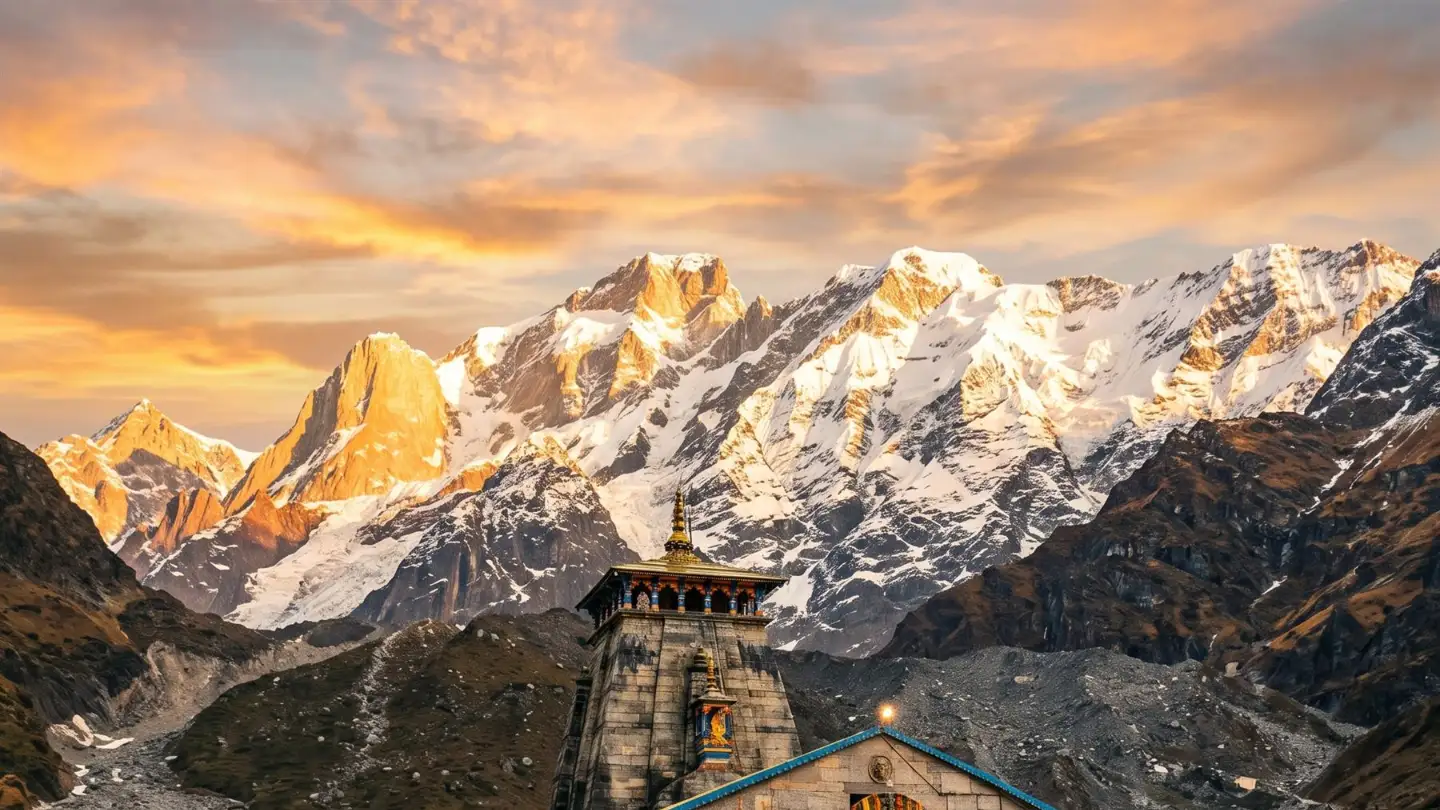
The Char Dham are Yamunotri, Gangotri, Kedarnath and Badrinath, spread across the Garhwal Himalaya at heights where the air thins and the weather changes by the hour. On the ground they are separated by long valley roads. From the air they are a series of short hops. We have flown pilgrims on this circuit for several seasons now, and the questions people ask before they book are almost always the same ones, so let us answer them properly.
How the helicopter yatra actually works
The circuit begins in Dehradun. You arrive a day early, stay the night, and report to the Sahastradhara helipad at first light, because mountain flying is a morning game before the clouds build. The aircraft are small, the six seat AS350 and Bell class machines that these routes run on, so groups are split across sorties and everyone is weighed at check in. That weighing is not bureaucracy. In thin Himalayan air a helicopter's lift is finite, and the pilots take it seriously.
From there the days settle into a rhythm. You fly to a shrine, you are received by a ground team, you have your darshan, you eat, and you either fly on or return to a valley base for the night. A five day itinerary usually runs Yamunotri and Kharsali on the first day, Gangotri on the second, Kedarnath on the third, Badrinath and Mana village on the fourth, and back to Dehradun on the fifth. Six day versions add a night and slow the pace, which older travellers appreciate.
The flying itself is short. Legs of eight to twenty minutes replace what would be six or seven hours in a car. What fills the day instead is the darshan, the transfers on the ground, and the waiting for a clear sky.
What you still do on foot
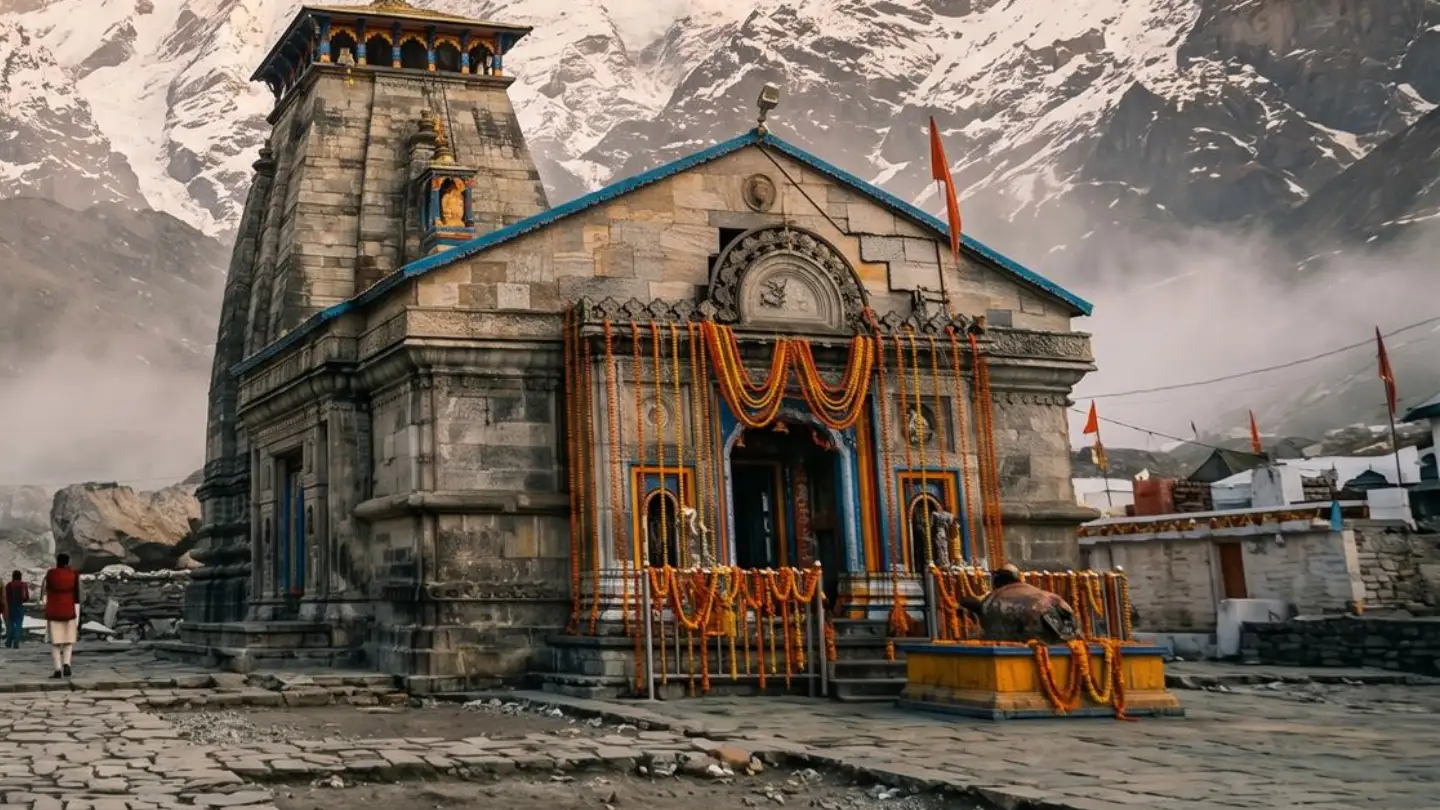
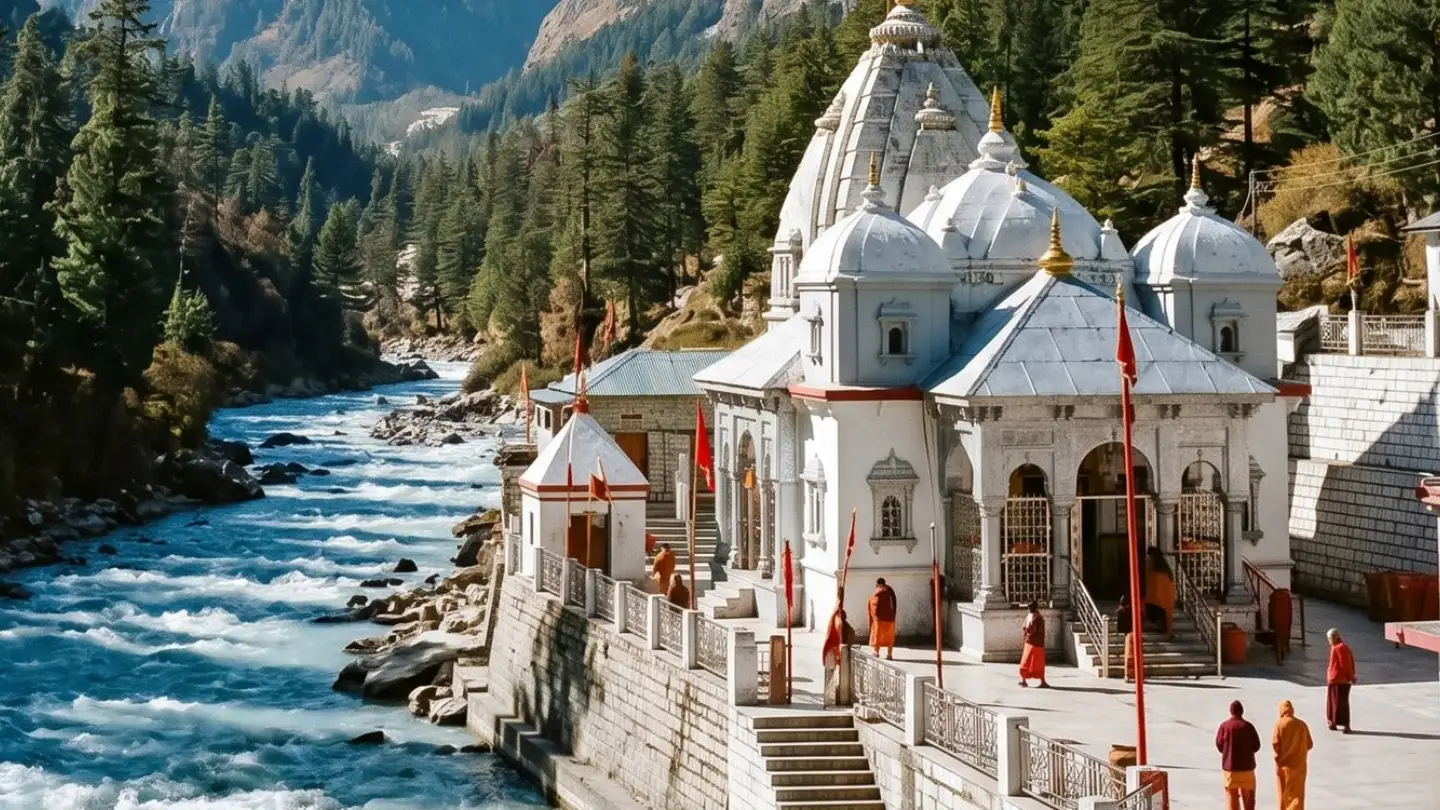
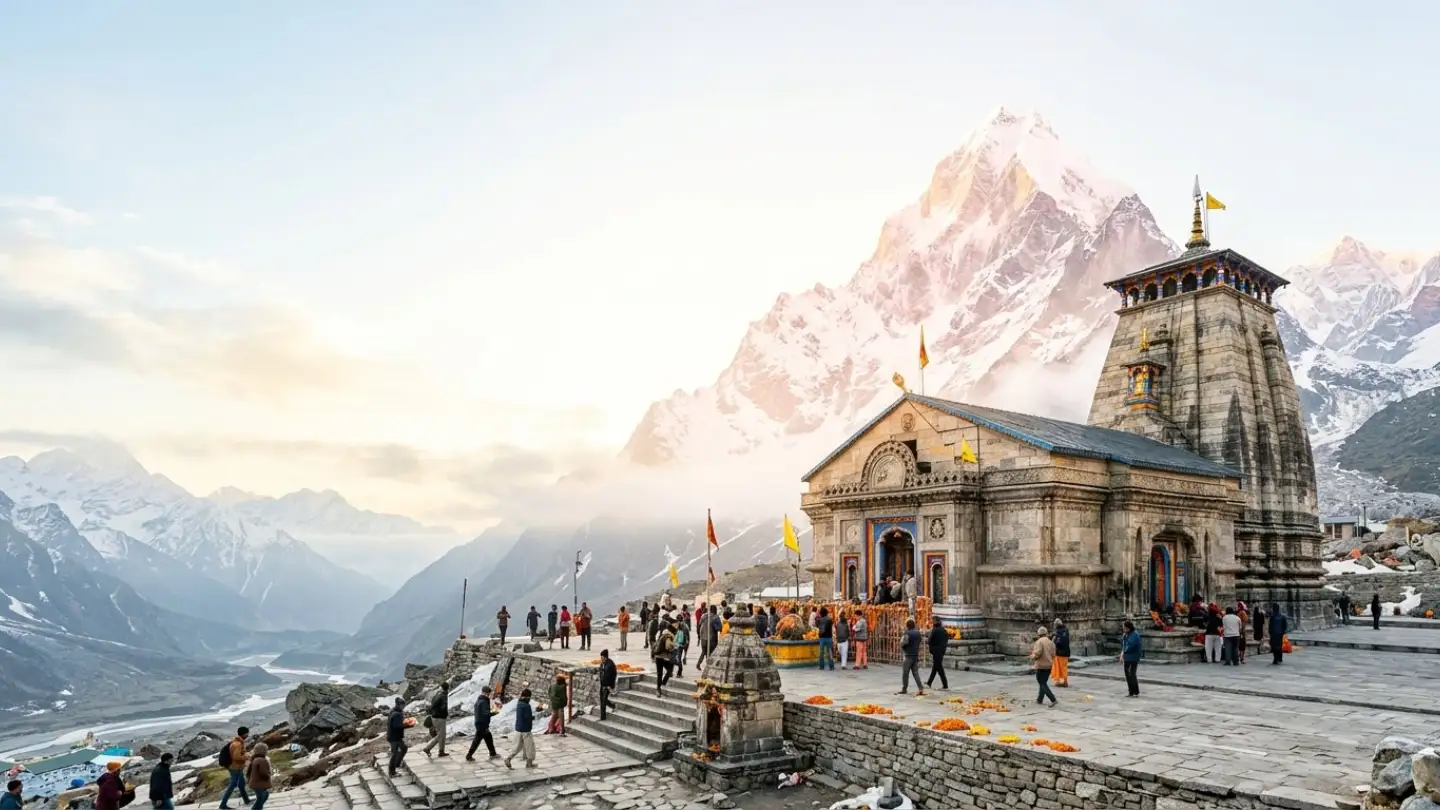
Here is the thing the glossy brochures skip. A helicopter package is not a door to temple service at every stop. At Kedarnath you land at the helipad and the shrine is still about half a kilometre away, at an altitude of 3,583 metres where a gentle slope feels steep. Most people walk it slowly. Those who cannot take a pony or a palki for the last stretch, and a good operator arranges that in advance. At Yamunotri the temple sits above Janki Chatti, and unless your package specifically includes a shorter transfer, there is a climb or a pony ride to reach it.
So the helicopter removes the two brutal treks and the eleven days of driving. It does not remove every step. If an elderly parent genuinely cannot walk a few hundred metres even slowly, tell your operator before booking, not on the helipad, so the pony and palki support is ready and paid for.
Who this is really for
We are honest with callers about this, because the helicopter yatra is a large spend and it suits some people far better than others. It is built for anyone the road version would punish. Parents in their seventies who have wanted these four dhams their whole lives. Travellers with knee trouble, a heart condition or high blood pressure, for whom a week of altitude and climbing is a real medical risk. Non resident Indians flying in for a fortnight who cannot give twelve days to the road. Business owners and doctors who cannot vanish for two weeks but can spare five days.
It is also, quietly, the way many families take their elders when the parents insist on going and the children worry about the trek. The helicopter is what lets a devout eighty year old stand before Kedarnath without a stretcher waiting at the bottom.
It is not for everyone. If the walking is part of the point for you, if the slow unfolding of a pilgrimage is what you are seeking, the road yatra is the richer experience and you should take it. And if the cost is a stretch, know that the road journey reaches the same four gods for a fraction of the fare. The figures behind that comparison sit in our guide to Char Dham pricing, which is the right place to weigh it.
Weather is the boss, and you should plan for it
This is the single most useful thing we can tell you. In these mountains the helicopter flies when the weather allows and waits when it does not. Kedarnath in particular sits in a bowl that clouds over fast, and a morning that starts clear can close by ten. Holds of a few hours are normal. A full day's delay happens. It is not the operator being difficult. It is a pilot refusing to fly into a valley he cannot see, which is exactly what you want him to do.
The practical answer is to keep a buffer. Do not book a five day yatra that ends the same evening your international flight leaves Delhi. Leave a spare day at the end. Travellers who build in that cushion enjoy the trip. Travellers who cut it fine spend the last morning watching the sky and calculating, which is no way to end a pilgrimage.
The comfort that the fare buys
Beyond the flying, a proper helicopter package smooths the parts of the yatra that usually tire people out. Priority darshan is arranged at each shrine, so you are not standing in the general line for hours at altitude. Your nights are in the better hotels each valley has, not a pilgrim dormitory. A ground vehicle and a coordinator meet you at every helipad. At Badrinath there is usually time to walk up to Mana, the last village before the Tibet border, which most road travellers are too exhausted to bother with.
None of this is extravagant by city standards. It is simply the difference between arriving at a 3,500 metre shrine rested and arriving wrecked.
A typical five day flow
Itineraries vary a little between operators and shift with the weather, but a five day helicopter yatra from Dehradun usually falls into this shape, so you know what you are committing to.
- Day one: report at Sahastradhara at dawn, fly to Kharsali for Yamunotri darshan, and continue to a base near Harsil or Uttarkashi for the night.
- Day two: a short hop to Gangotri, darshan at the source of the Ganga, and time to feel the thin bright air of the high valley.
- Day three: the Kedarnath morning, the one everyone waits for, flying into the glacial bowl with priority darshan arranged, and a night at a valley base.
- Day four: on to Badrinath, darshan, the hot spring at Tapt Kund, and usually a few minutes at Mana village near the Tibet border.
- Day five: the flight back to Dehradun, with most travellers home or onward the same evening.
The six day version simply loosens this, adding a night so nobody is rushed, which is the kinder choice when elderly pilgrims are aboard.
Preparing for a fast climb to altitude
Here is something the helicopter changes that few people think about. A road pilgrim climbs to Kedarnath's altitude over several days, giving the body time to adjust. A helicopter carries you from Dehradun's warm valley to a 3,583 metre shrine in a single morning, and that speed is exactly what can bring on a headache, breathlessness or nausea at the top. The convenience has a physiological cost worth respecting.
The countermeasures are simple and they work. Drink far more water than you feel you need in the days before and during the yatra. Skip alcohol the night before a Kedarnath flight. Carry any prescribed medication, and if you have a heart or lung condition, clear the trip with your doctor first and ask about altitude precautions. Move slowly at the shrines, let the darshan be unhurried, and if you feel genuinely unwell, say so rather than pushing through. The mountains reward patience and punish bravado.
The helicopter yatra is not the humble pilgrimage of old, and it does not pretend to be. What it offers is access. It puts the four dhams within reach of people who had quietly given up on ever seeing them, and there is something moving about watching a grandparent step off a helicopter at Kedarnath with their hands already folded. If that is who you are travelling for, this is the way to do it.
Common questions
How many days does the helicopter Char Dham take?
Five days is the standard circuit from Dehradun and back, covering all four shrines. Six day versions exist for a gentler pace and are worth the extra night if elderly travellers are in the group.
Is the entire journey by air?
The temple to temple travel is by air. The short final approach at Kedarnath and Yamunotri involves a little walking, a pony or a palki, which good operators arrange in advance.
Is it safe for elderly parents?
For most, yes, and it is often far safer for them than the road trek. Declare any heart, lung or blood pressure condition when you book, carry prescribed medication, and give the body a day to adjust. The altitude, not the flying, is the thing to respect.
When should I book?
Early. Helicopter slots for the peak May and June weeks sell out months ahead, and the booking process has its own steps and registration, which we walk through in our Char Dham helicopter booking guide.