In this guide 8 sections
The Kedarnath helicopter flies from three valley helipads, Phata, Sersi and Guptkashi, to Kedarnath in about eight to ten minutes, replacing a sixteen kilometre climb. Most pilgrims do a same day return with darshan. Official seats are sold through the IRCTC heliyatra portal at regulated fares of roughly seven to nine thousand rupees for the round trip, and early morning slots are safest against weather.
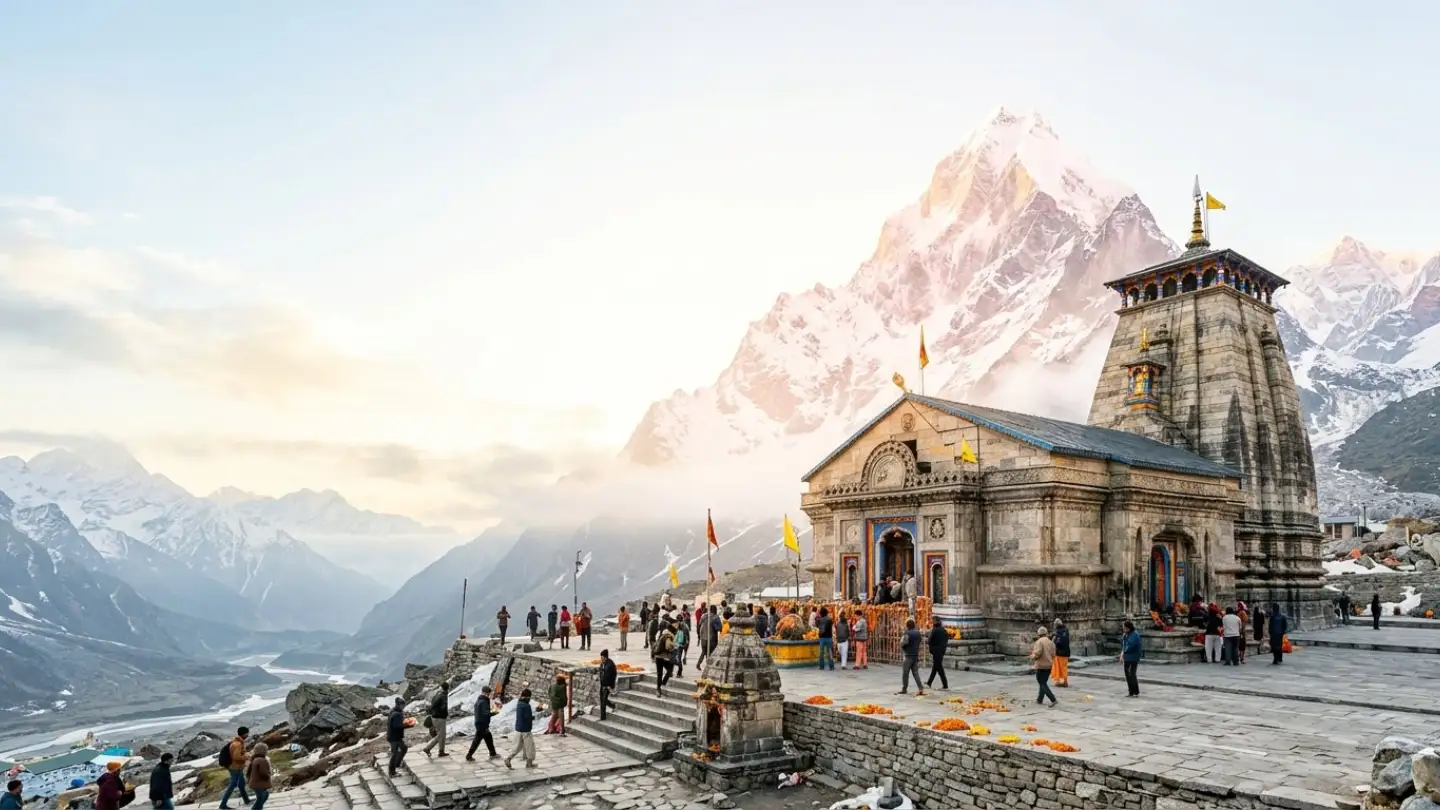
The walk to Kedarnath is sixteen kilometres uphill to a shrine at 3,583 metres. The helicopter does it in about eight minutes. That single fact is why the Kedarnath sector is the most booked helicopter service in the entire Char Dham region, far more than the full four dham charters. Most people who fly to Kedarnath are not doing a grand aerial yatra. They are ordinary pilgrims on a road trip who have looked at that climb, looked at their knees or their parents, and decided to fly the one leg that would otherwise break them.
This is how the Kedarnath helicopter actually works, from the valley helipads it leaves from to the way you book a seat, because it runs on a system all its own.
The three helipads it flies from
Kedarnath shuttle helicopters do not leave from Dehradun. They lift off from three small helipads in the Kedarnath valley itself, and knowing the difference between them helps you plan.
- Phata is the busiest and most popular base, roughly halfway between Guptkashi and Sonprayag, with the shortest and quickest hops up to the shrine.
- Sersi, near Sitapur, sits close to Phata and runs a similar short sector, often used as an alternative when Phata slots are gone.
- Guptkashi is the farthest out and therefore the longest and priciest flight, but it is convenient if your hotel and your road itinerary already put you there.
Whichever base you fly from, the pattern is the same. A small helicopter carries five or six passengers up the valley in under ten minutes, sets you down at the Kedarnath helipad, and you make your way the last short stretch to the temple.
Same day darshan, and what the day looks like
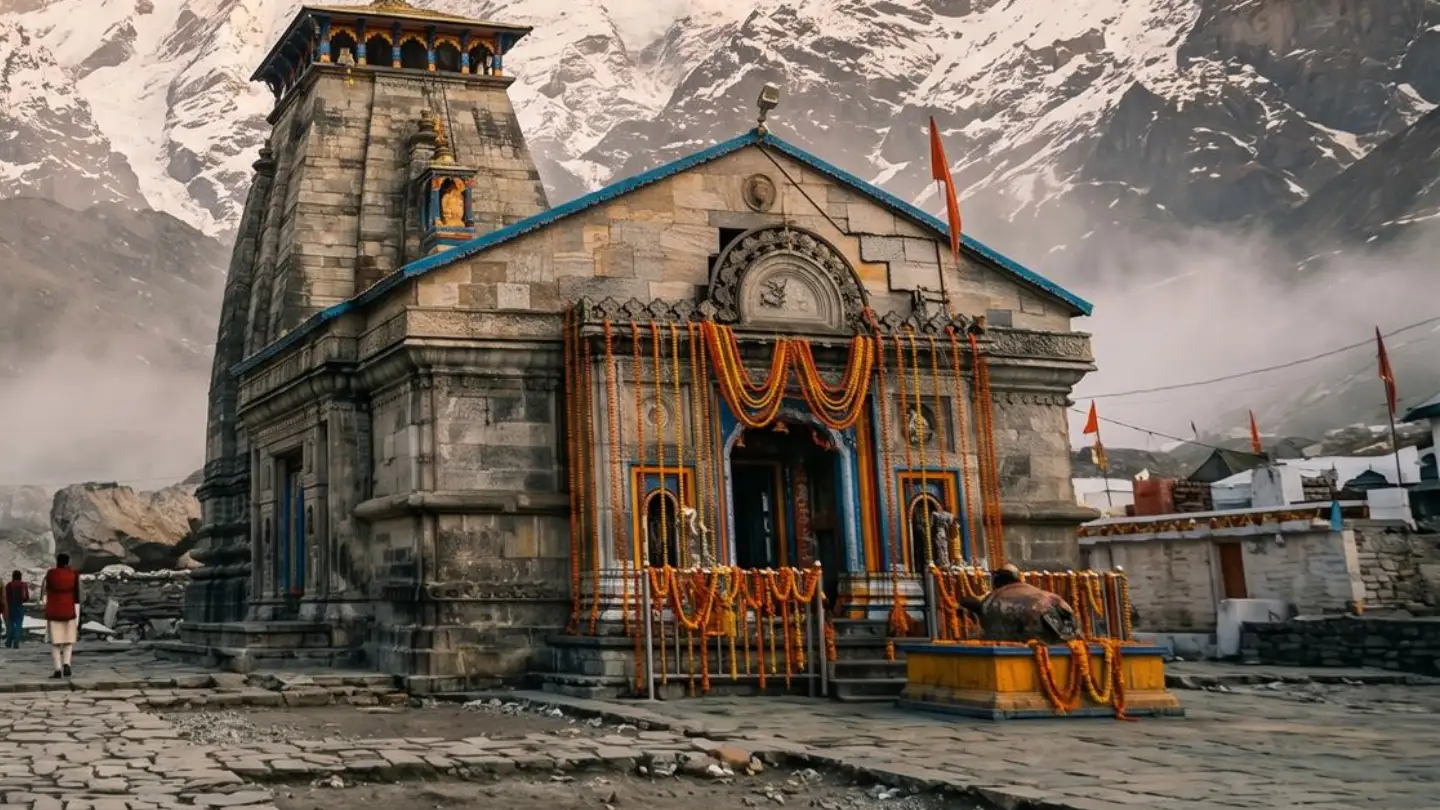
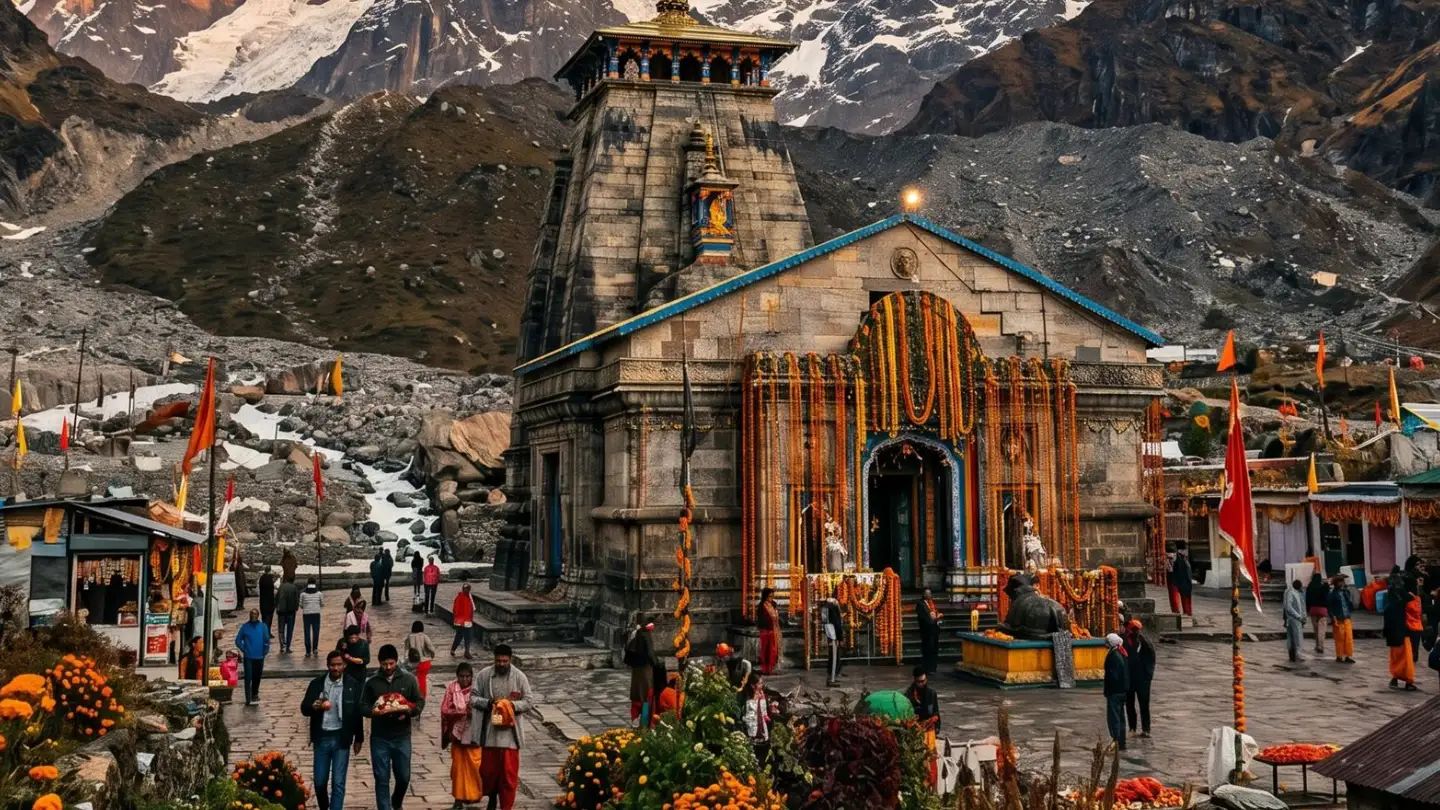
For most pilgrims the Kedarnath helicopter is a same day return. You reach your valley helipad early, fly up, and land a few hundred metres below the temple, since even the helipad cannot put you at the door of a shrine perched where Kedarnath is. You walk or take a pony that last stretch, have your darshan, and fly back down the same day. Many operators and the shrine board offer a priority darshan arrangement for helicopter pilgrims, which spares you the long general queue at altitude, and it is worth taking for elderly travellers who should not be standing for hours in thin, cold air.
If you want longer at the shrine, you can fly up one day and return the next, staying a night in the small settlement around the temple. Most do not, but for a pilgrim who has waited a lifetime for this darshan, that extra evening in the presence of the mountain is sometimes the whole reason they came.
How to book the Kedarnath sector
This is the part that catches people out, because the Kedarnath shuttle is not booked like a tour. The service is regulated by the government and the sanctioned seats are sold through the official IRCTC helicopter portal at heliyatra.irctc.co.in, not through random agents. Fares are set by the regulator and revised each season, and in recent years the round trip has run roughly seven to nine thousand rupees per person depending on which helipad you fly from, with Guptkashi the dearer for its longer sector. You book against a photo identity, the seats for peak dates disappear the moment they release, and the mandatory yatra registration still applies to every passenger.
A word of caution that we give every caller. Because demand wildly outruns supply, the Kedarnath sector attracts touts and fake booking pages promising confirmed seats for inflated sums. The official seats come through the government portal. A reputable operator can arrange your Kedarnath flight legitimately as part of a package, but nobody can conjure sanctioned seats out of thin air, and a confirmed booking offered at three times the regulated fare is a warning, not a favour.
Kedarnath weather, which is its own creature
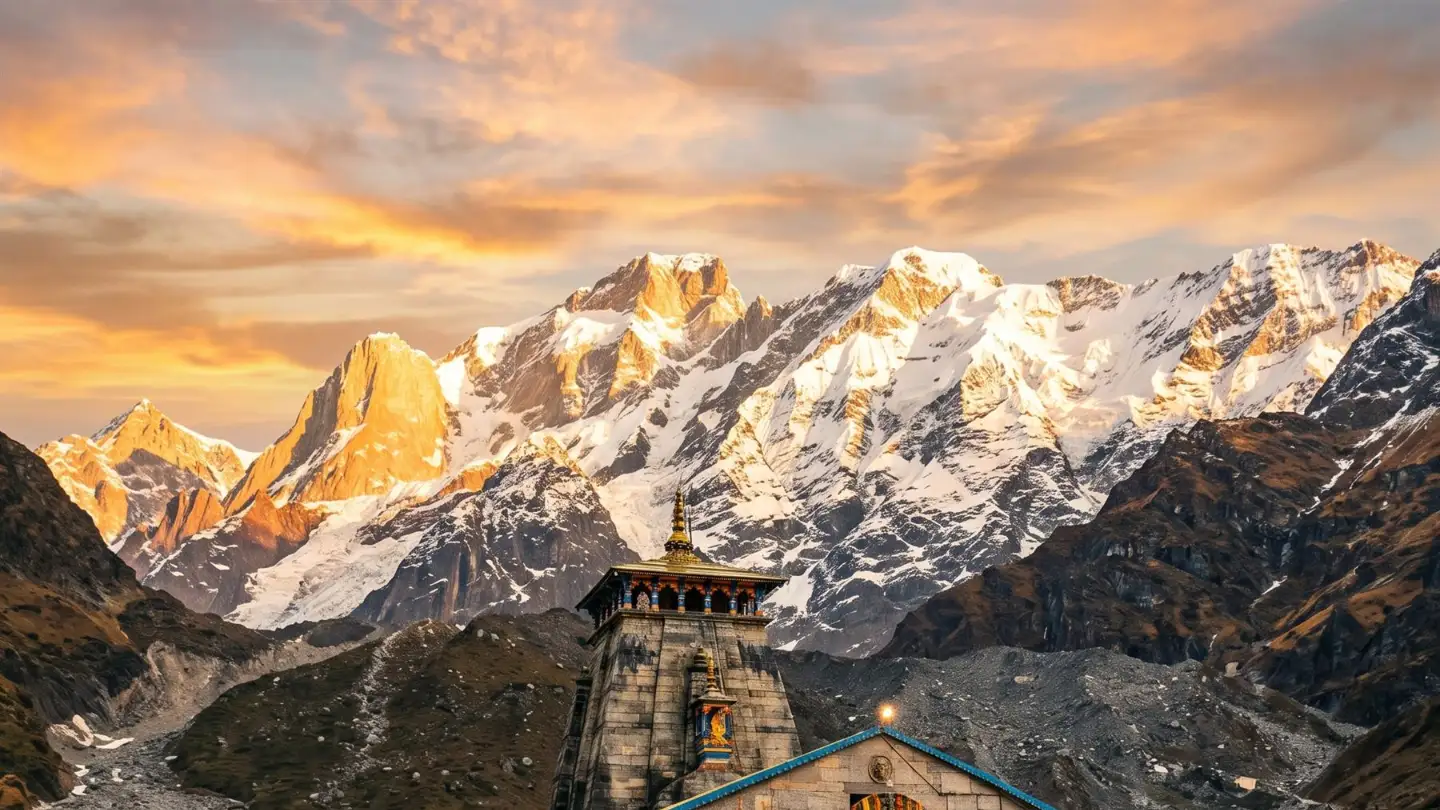
Kedarnath sits in a high glacial bowl that makes its own weather, and it clouds over faster than anywhere else on the circuit. Morning is flying time. By late morning the valley often closes, and afternoon flights are frequently held or cancelled. This is why early slots are gold and why you should never plan your Kedarnath flight for the same afternoon you need to be somewhere else. Give the mountain the morning and a spare buffer, and treat any delay as the pilots doing their job rather than an inconvenience aimed at you.
One shrine, or part of the whole yatra
The Kedarnath helicopter serves two kinds of traveller. The first is doing Kedarnath more or less on its own, or as the one flown leg of an otherwise road based Char Dham, skipping only the sixteen kilometre climb and driving the rest. The second is on a full four dham helicopter charter out of Dehradun, in which Kedarnath is simply one stop among four. If your aim is the entire circuit by air, that complete journey is covered in our guide to the Char Dham helicopter yatra. If your aim is simply to reach Kedarnath without the trek, the valley shuttle described here is the service you want.
Who flies the Kedarnath sector
The Kedarnath helicopter carries a very particular mix of people, and you will probably recognise yourself among them. There are the elderly, for whom the sixteen kilometre climb is simply out of reach, flying up to a darshan they had feared they would never have. There are families sending their parents up by air while the younger ones trek, meeting at the top. There are professionals doing Kedarnath over a single weekend from Delhi or Dehradun, up and back before Monday. And there are pilgrims who could walk it but choose to save their strength for the shrine rather than spend it on the path. Nobody needs to justify the choice. The mountain does not grade you on how you arrived.
The few hours at the top, and what to carry
Your time at Kedarnath after the flight is short, often just a few hours, but it is spent at 3,583 metres where the weather turns on a coin, so come prepared as if for longer. Wear warm layers and a windcheater even if you boarded in shirtsleeves, because the temple forecourt can be bitter while the valley below is mild. Bring water, a little cash for offerings and for a pony if you need one, and your phone for the darshan, though signal is patchy. Move slowly on the short approach from the helipad, since even a gentle rise bites at that height. And keep an eye on your return slot, because if the weather is closing the helicopters will not wait, and the last thing you want is to miss the flight down and face an unplanned cold night at the top.
For a huge number of pilgrims, the Kedarnath helicopter is the difference between making this darshan and giving up on it. Eight minutes of flying stands in for a day of climbing, and a grandparent who could never have walked to the shrine steps off at the top with the temple in view. Book it early, book it legitimately, and give the weather the respect it demands, and it is one of the great small mercies of the modern yatra.
Common questions
How long is the Kedarnath helicopter flight?
About eight to ten minutes each way from the valley helipads at Phata, Sersi or Guptkashi, against a trek of sixteen kilometres that takes most of a day on foot.
Where do I book the Kedarnath helicopter?
The official sanctioned seats are sold through the IRCTC helicopter portal, heliyatra.irctc.co.in. Operators can also arrange it within a package, but treat any offer far above the regulated fare with suspicion.
Do I still walk at Kedarnath after the flight?
A short stretch from the helipad up to the temple, a few hundred metres, which you can walk slowly or cover by pony. The flight removes the long climb, not the final approach.