In this guide 8 sections
A Do Dham Yatra package covers Kedarnath and Badrinath by road in six to seven days from Haridwar or Rishikesh. The defining day is the sixteen kilometre climb to Kedarnath from Gaurikund, done on foot, by pony or by palki, while Badrinath is reached almost to the temple by road. It suits pilgrims who want the two most revered dhams in under a week.
There is a version of the Char Dham for people who cannot spare a fortnight but refuse to go home without the two shrines that matter most to them. It is the Do Dham yatra, Kedarnath and Badrinath by road, and done properly it packs the heart of the whole pilgrimage into six or seven days on the ground. No helicopter, no shortcut through the sky, just the two greatest dhams reached the way pilgrims always have, by mountain road and, for Kedarnath, on your own two feet.
We handle a lot of these. They tend to be booked by working families, by first time yatris testing the mountains before attempting all four, and by people for whom the physical journey up to Kedarnath is not an inconvenience to be flown over but the point of the exercise.
What Do Dham means, and why these two
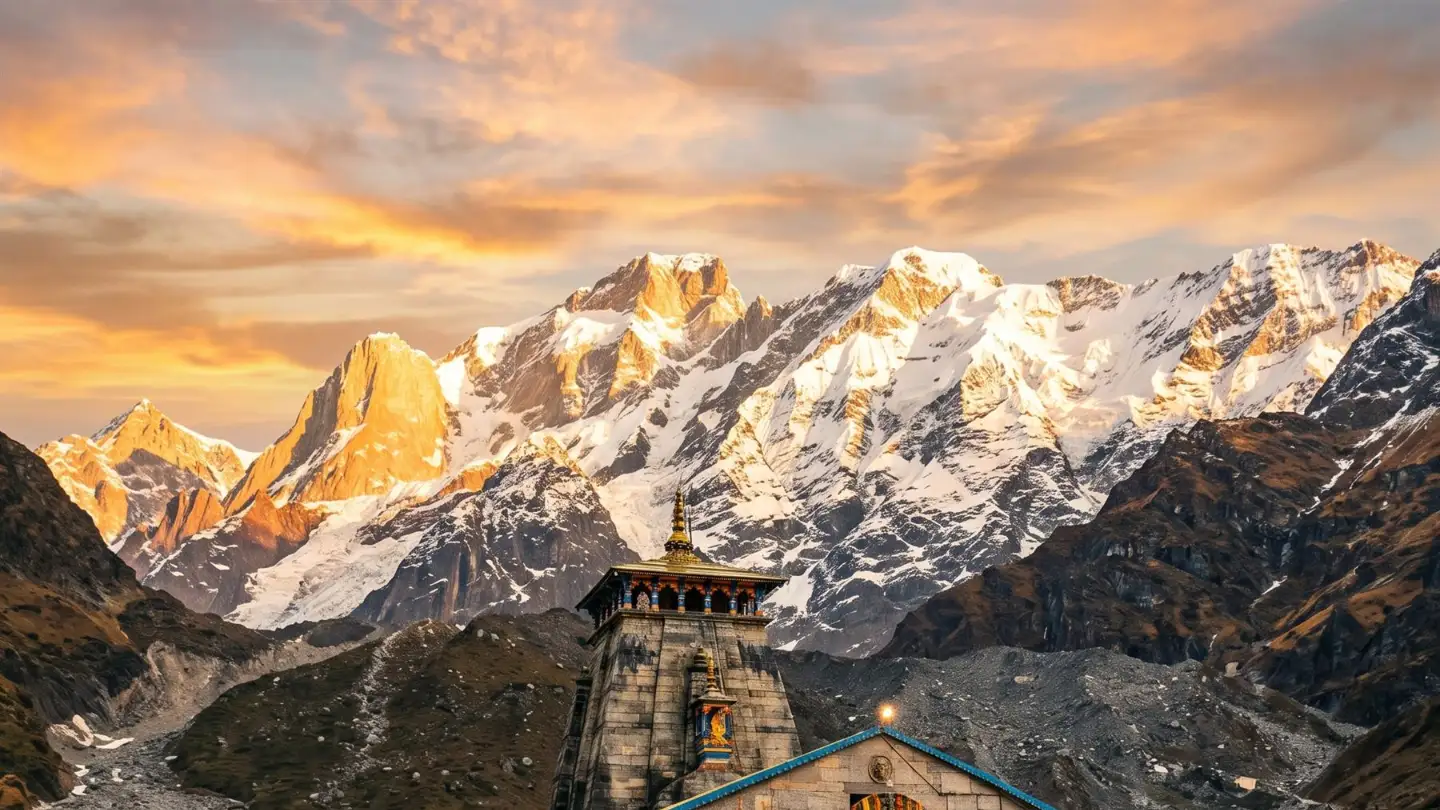
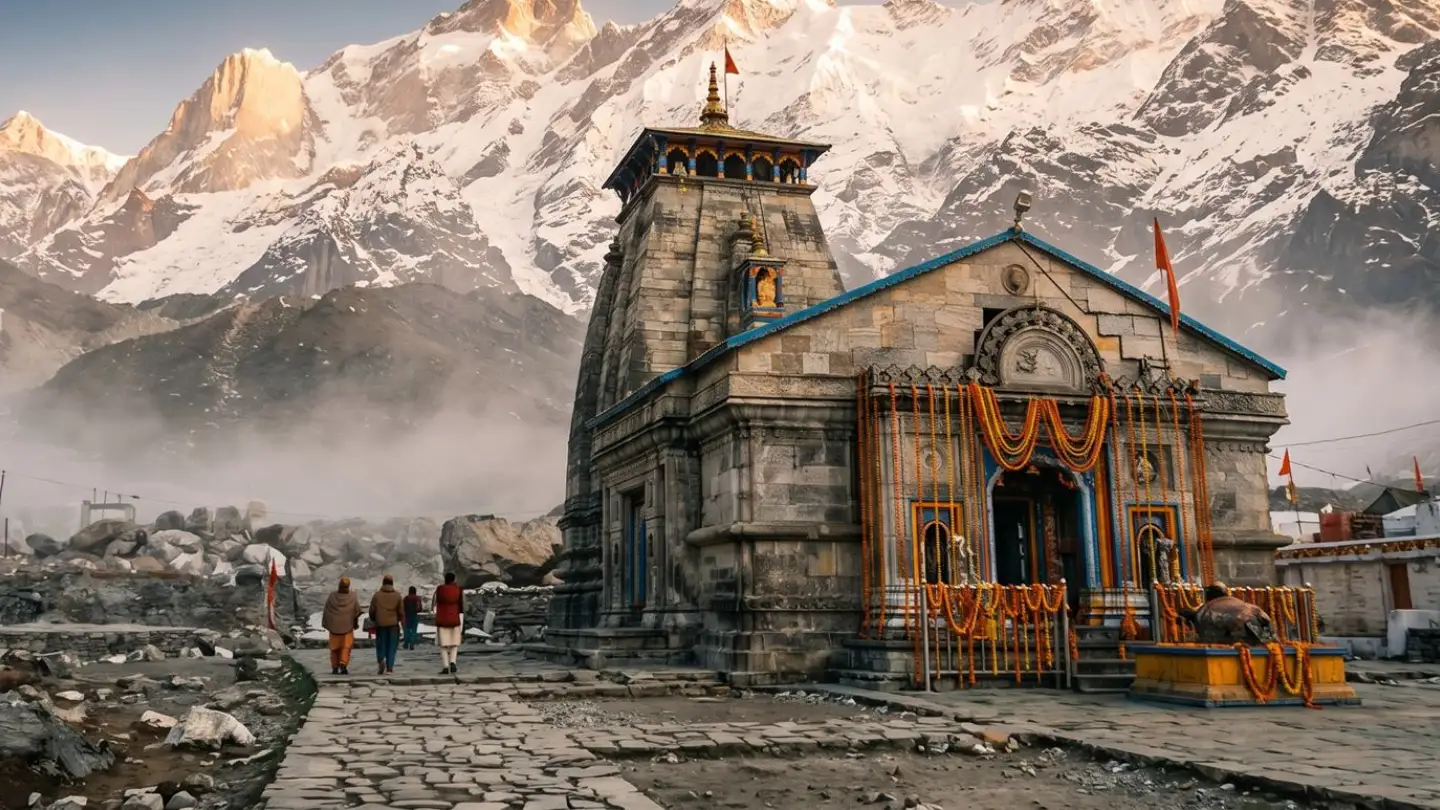
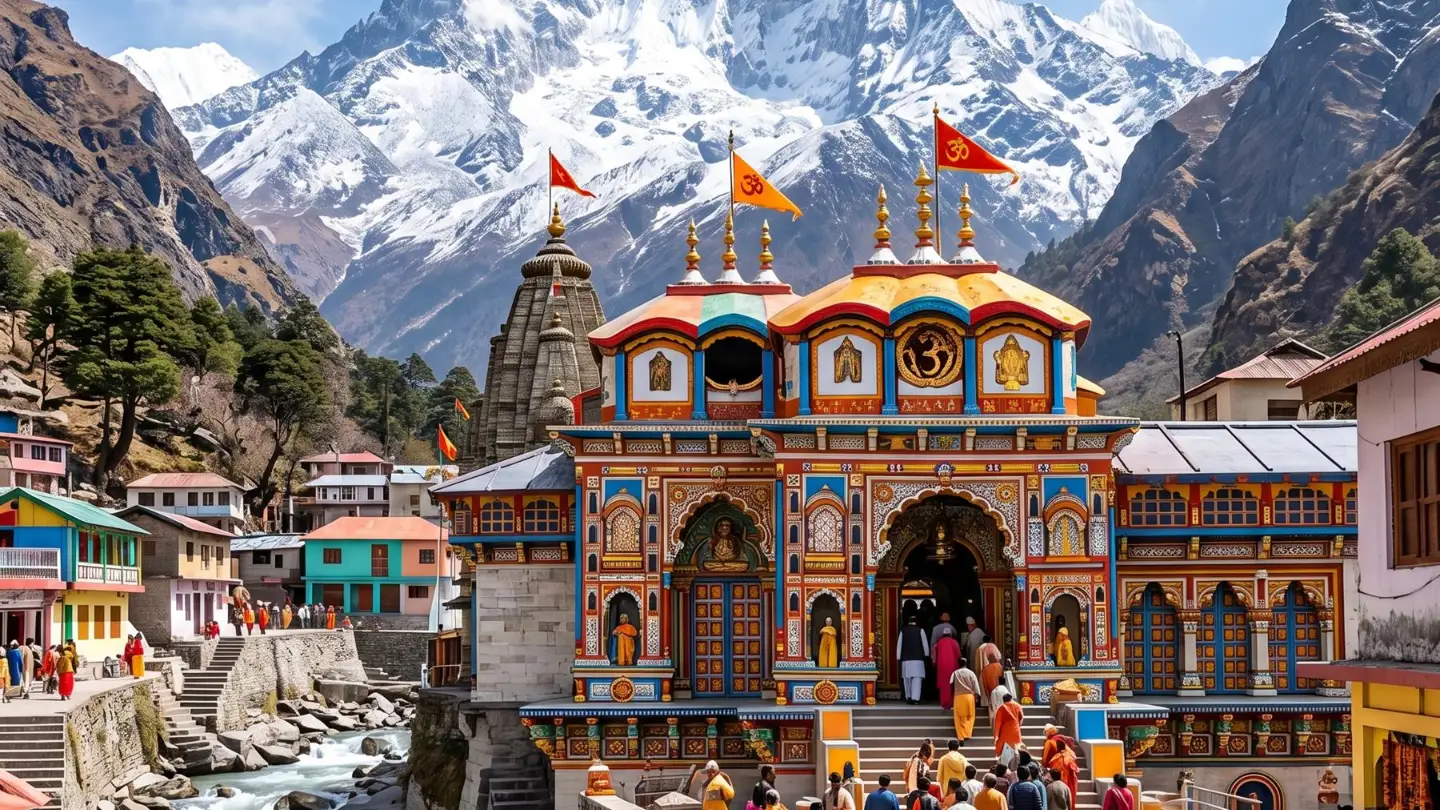
Do Dham translates simply as the two abodes. Within the Char Dham, the phrase has come to mean Kedarnath and Badrinath specifically, and the choice is not random. Kedarnath is one of the twelve Jyotirlingas, the holiest shrines of Shiva, sitting alone in a high glacial valley that has tested pilgrims for a thousand years. Badrinath is a principal seat of Vishnu and counts among the four great dhams of India in its own right, quite apart from the Uttarakhand circuit. Together they are the spiritual weight of the region. If a devotee can reach only two, tradition and instinct both point here.
How the road journey unfolds
A Do Dham road package usually runs six or seven days from Haridwar or Rishikesh. The first day is a long drive up to Guptkashi or Sonprayag, the gateway to Kedarnath. The second is the hard, beautiful heart of the trip. From Gaurikund the path to Kedarnath climbs sixteen kilometres to a shrine at 3,583 metres, and how you take that climb defines your yatra. The fit walk it in a day. Many ride a pony, some are carried by palki, and porters carry those who need carrying. You have your darshan, often staying a night near the temple, and descend the following day.
From there the route turns north for Badrinath, a drive through Chamoli and along the Alaknanda to the bright temple town near the Tibet border. Badrinath asks almost nothing of your legs. You bathe in the hot spring of Tapt Kund if you wish, take darshan, and many travellers drive the few kilometres on to Mana, the last Indian village, before beginning the long road home. Six or seven days, two dhams, one genuine mountain climb.
The one hard day, and how to prepare for it
Let nobody sell you a Do Dham road trip as an easy one. The Kedarnath climb is a serious undertaking, sixteen kilometres of ascent at real altitude, and it is where unprepared pilgrims come undone. You do not need to be an athlete, but you should not arrive cold either. A few weeks of walking beforehand pays off enormously. Go slowly, drink far more water than feels necessary, and let the day be long rather than fast. If a pony or palki is your plan, book it at Gaurikund early in the morning before the queues build. Anyone with a heart or breathing condition should speak to a doctor before committing, because altitude does not negotiate.
What a Do Dham package should carry
The essentials mirror any good mountain package, sized down to two shrines. Expect your nights covered near Guptkashi, Kedarnath and Badrinath, a private vehicle with all fuel, tolls and taxes settled, daily breakfast at least, pick up and drop from Haridwar, Rishikesh or Dehradun, and help with the compulsory yatra registration. Pony, palki and porter charges for the Kedarnath ascent almost always sit outside the package and are paid locally, so budget for them separately and do not let the exclusion surprise you at Gaurikund. For the full anatomy of a mountain package and the fine print worth checking, our complete guide to Char Dham packages lays it out.
Road or helicopter for your Do Dham
The same two dhams can be done in two days by air, and that choice deserves an honest weighing. The road version costs far less and gives you the real texture of the journey, the villages, the river, the earned arrival at Kedarnath. It also demands that climb and those days. The helicopter version, which we cover separately, removes the trek and the driving for a much higher fare, and suits elders and the time starved. Neither is better in the abstract. A fit pilgrim with a week should take the road and feel the mountain. A seventy five year old with three days should fly. Choose against your body and your calendar, not against a brochure.
Where you will stay along the road
Your nights on a Do Dham road trip fall in a few small mountain towns, and knowing their character sets your expectations right. Guptkashi and Sonprayag, the base for Kedarnath, are working pilgrim towns where even the good hotels are simple and the point is a warm room and a hot meal before the climb. Up at Kedarnath itself, if you stay the night near the shrine, the accommodation is basic and cold, and you stay for the atmosphere rather than the comfort. Badrinath offers a little more, with decent hotels within walking distance of the temple. Do not expect city standards anywhere on this route. Expect clean, simple and warm, and price your package against that honest reality rather than a brochure fantasy.
The best months for a Do Dham
The Do Dham follows the same calendar as the wider yatra. In 2026 Kedarnath and Badrinath opened in the third week of April, and they close as winter sets in during early November. The 2027 season follows the same pattern, with opening dates announced each spring. For a road trip with its one hard climb, the ideal windows are May and early June, then September and October, when the paths are open and the weather has settled. The July and August monsoon is the stretch to avoid, since the Kedarnath route is exactly where the landslides that close Uttarakhand's roads tend to strike. Aim for the shoulder months if you can, for thinner crowds on the climb and clearer skies at both shrines.
A Do Dham road package is the honest middle path of Himalayan pilgrimage, less than the full four dhams in days and cost, but nothing less in devotion. You climb to Shiva and you stand before Vishnu, and you do it with a week you can actually take from your life. For a great many families that is the yatra that fits, and it leaves them planning the other two dhams for the year after.
Common questions
How many days is the Do Dham by road?
Six to seven days from Haridwar for Kedarnath and Badrinath together, allowing for the Kedarnath trek and a night in the high valley.
Do I have to trek for Badrinath too?
No. Badrinath is reached by road almost to the temple. Only Kedarnath involves the long climb, which is why fitness and pony planning focus on that shrine.
Can I add Kedarnath by helicopter but keep Badrinath by road?
Yes, and it is a popular hybrid. You fly the sixteen kilometre Kedarnath sector to spare your knees and drive the gentler Badrinath leg, balancing cost and comfort.